Why We Do It!

To Serve & Protect the Lives and Property within our Community.

About the Nichols Volonteer Fire Department

The Nichols Joint Fire District and Wappasening Hose Company proudly protects an area of 34.21 square miles within the village & Town of Nichols, New York. We operate out of one station that protects a primarly rural area. Our department is a public department whose member are on a all volunteer status.

Located about 30 miles west of Binghamton in New York's Southern Tier area, the Nichols VolonteerFire Department provides Fire Protection & Rescue, EMS, and Fire Police services to a combine Village and Town fire district. Organized in 1908, the Nichols VolonteerFire Department is an all-volunteer organization.


Friday, March 8, 2013


It's almost time to spring ahead, which means it's also time to test and replace the batteries in your smoke detectorsDaylight Saving Time starts at 2 a.m. Sunday, March 10.

Is your smoke alarm still working? Smoke alarms must be maintained! A smoke alarm with a dead or missing battery is the same as having no smoke alarm at all.

A reminder everyone to not only set their clocks ahead this weekend, but to also test your smoke detector batteries and change them if necessary.

A smoke alarm only works when it is properly installed and maintained. Depending on how your smoke alarm is powered (9-volt, 10-year lithium, or hardwired), you’ll have to maintain it according to manufacturer’s instructions.

Even hard-wired smoke alarms should have their batteries replaced and tested monthly.

A working smoke alarm doubles your chance of survival during a fire by giving you the critical time needed to escape.

A lot of fires occur at night while most people are sleeping.

Actually, the smoke and toxic gases from the fire can cause you to fall into a deeper sleep, diminishing the chance of survival.

It's recommends changing the batteries every six months and testing them monthly.

General guidelines for smoke alarm maintenance:

Smoke alarm powered by a 9-volt battery
Test the alarm monthly.
•Replace the batteries at least once per year.
•The entire smoke alarm unit should be replaced every 8-10 years.

Smoke alarm powered by a 10-year lithium (or “long life”) battery
Test the alarm monthly.
•Since you cannot (and should not) replace the lithium battery, the entire smoke alarm unit should be replaced according to manufacturer’s instructions.

Smoke alarm that is hardwired into the home’s electrical system
Test the alarm monthly.
•The backup battery should be replaced at least once per year.
•The entire smoke alarm unit should be replaced every 8-10 years.


A Sound You Can Live With: Test Your Smoke Detector!


Monday, October 22, 2012


Fire Prevention Week 2012 has come and gone. But, this year's highlighted fire safety theme is something that everyone, young & old, should do as well as needs to practice through the year. Always "Have Two Ways Out!"


Can a fire happen in your home or where you work? Will you know what to do if a fire does happens? These are important questions to answer...a person or family member's life may depend on simply knowing and having two ways out when exiting a structure, be it your home, place of work, or where you shop when a fire occurs.


Most people believe a fire won't happen to them in their homes and they don't plan ahead. Since fires usually give only three to four minutes to escape safely, not knowing what to do can be deadly. Prepare a Home Fire Escape Escape Plan and have the entire family practice it.


- Plan two ways out of every room. Your normal exit may be blocked.
- Test emergency exits. Make sure you can open windows and remove screens and storm windows.
- Provide folding escape ladders from second story windows. Make them out of light rope or purchase metal ladders for escape.
- Practice using emergency exits in the dark and always be safe when practicing. Keep a flashlight next to every bed. Most fatal home fire start at night, while we are asleep and least likely to respond quickly.
- Install and maintain smoke detectors/smoke alarms on every level of the home. Test them monthly and change out the batteries twice a year. Once in the Spring and in the Fall.
- Teach the family to stay low in smoke to avoid poisonous gases. Crawl to exits. Most fire deaths that do happen occur due to smoke inhalation.
-Arrange a meeting place outside the home. Make sure everyone knows to get out quickly and go to the meeting place.
-Call the fire department from a neighbor's house. Do not wait in a burning building to use a phone. Get out and stay out if a fire is occurring in the home.


Plan Your Escape - Have Two Ways Out! 
Be Fire Safe, Be Fire Wise, Learn Not To Burn!


Tuesday, July 3, 2012

Warning! Dangers With Fireworks!

Use of consumer fireworks dramatically increases risk of fire and injury. National health and safety advocates team up to warn of dangers

Click to Tweet: Each July 4th, thousands of people, most often kids & teens, are injured while using consumer fireworks http://ow.ly/bIyi9 #FireworkSafety

(via NFPA) Just in time for Fourth of July, the National Fire Protection Association (NFPA) released its Fireworks report which explores fire and injury dangers related to consumer fireworks. The report shows that in 2010 alone, an estimated 15,500 reported fires were started by fireworks and 8,600 fireworks-related injuries were treated in U.S. hospital emergency rooms.  It also shows that there are more fires on a typical Fourth of July than any other day of the year. Fireworks account for two out of five of those fires, more than any other cause of fires.

“Thousands of people are treated in U.S. emergency rooms each year because of incidents involving consumer fireworks and many times these injuries are extremely painful and require long-term recovery – using consumer fireworks is simply not worth the risk,” said James Shannon, president of NFPA. “We encourage families to enjoy public displays of fireworks conducted by trained professionals.”

The Fireworks report outlines specific statistics regarding how the use of consumer fireworks relates to fire danger including:
  • In 2010, fireworks caused an estimated 15,500 reported fires, including 1,100 structure fires, 300 vehicle fires, and 14,100 outside and other fires.
  • These fires resulted in an estimated eight reported deaths, 60 civilian injuries and $36 million in direct property damage.
The report demonstrates using consumer fireworks heightens the risk of injury and even death. The study showed:
  • The risk of fireworks injury was highest for children ages 5-14 with more than twice the risk for the general population.
  • Sparklers and novelties alone accounted for 38 percent of the 8,600 emergency room fireworks injuries in 2010.
With the Fireworks report’s findings in mind, NFPA along with the American Academy of Pediatrics, founded the Alliance to Stop Consumer Fireworks to warn individuals about the dangers of consumer fireworks.The Alliance is a group of health and safety organizations that urges the public to avoid the use of consumer fireworks and instead, to enjoy displays of fireworks conducted by trained professionals.


View the full Fireworks report and more information about NFPA and firework safety.

About the National Fire Protection Association (NFPA)NFPA is a worldwide leader in fire, electrical, building, and life safety. The mission of the international nonprofit organization founded in 1896 is to reduce the worldwide burden of fire and other hazards on the quality of life by providing and advocating consensus codes and standards, research, training, and education.


(The usual disclaimers: I am not a journalist; This is a blog that expresses an outlook and is not conclusive in any shape or manner.)


Monday, June 4, 2012

Grilling Safety From the NFPA


The Summer is here! Millions of Americans will be having cookouts grilling those hamburgers and hotdogs. It’s important to remember and follow fire safety tips so that all can enjoy a safe summer season at those fun BBQs.

U.S. fire departments responded to an average 8,200 home fires (2005-2009) involving grills, hibachis, or barbeques per year, including an average of 3,400 structure fires and 4,800 outside fires. These fire incidents have resulted in an annual average of 15 civilian deaths, 120 reported civilian injuries, and $75 million in direct property damage, according to the National Fire Protection Association’s (NFPA) Home Fires involving Cooking Equipment Report.

July is the peak month for grills fires, accounting for 18 percent of all home fires involving grills, including both structure and outside fires. June and May follow closely with 14 percent and 13 percent respectively.


The NPD group reports that more people are grilling all year round, showing that nearly one-third (38 percent) of American households had at least one meal cooked on an outdoor grill in an average two-week period during the year. Even in the winter months of December, January and February, one-quarter (27 percent) had eaten at least one grilled item in a 14-day period.


Other key findings in this report include:


•         Five out of every six grills involved in home fires (84 percent) were fueled by gas while 13 percent used charcoal or other solid fuel.
•         More than one quarter (29 percent) of the home structure fires involving grills started on a courtyard, terrace or patio.
•         In 2009, 17,700 patients went to the emergency room because of injuries involving grills.
•         Children under the age of five account for almost one-quarter (22 percent) of all thermal grill burns.

NFPA is offers the following safety tips:

•         Propane and charcoal BBQ grills should only be used outdoors.
•         The grill should be placed well away from the home, deck railings and out from under eaves and overhanging branches.
•         Keep children and pets away from the grilling area.
•         Keep your grill clean by removing grease or fat buildup from the grills and in trays below the grill.
•         Never leave your grill unattended.


For more information, visit www.nfpa.org/grilling.


(The usual disclaimers: I am not a journalist; This is a blog that expresses an outlook and is not conclusive in any shape or manner.)


Tuesday, May 1, 2012

2012's Fire Prevention Week Theme!

2012 FPW

 Fire Prevention Week for 2012 will be held October 7th - 13th, and it's theme this for this year is "Have 2 ways out!"

In 2008, home fires killed 2,755 people and injured 13,160. Two of every five home fire deaths were in a home with no smoke alarms and another one in five was in a home where the smoke alarms were not working.

The reality is that when fire strikes, your home could be engulfed in smoke and flames in just a few minutes. 


How to Make a Fire Safety Plan -- powered by ehow


This year's theme aims to educate how it is important to have a home fire escape plan that prepares your family to think fast and get out quickly when the smoke alarm sounds. What if your first escape route is blocked by smoke or flames? That's why having two ways out is such a key part of your plan.

Having working smoke alarms can cut the chances of dying in a fire in half.

The theme will also focus on how to choose, install, and maintain smoke alarms.

NFPA has taken the lead in public fire safety outreach by serving as the official sponsor of Fire Prevention Week for 88 years.


The annual public awareness and safety commemoration, which is proclaimed by the President of the United States each year, is observed by fire departments in the U.S. and Canada to mark the anniversary of the Great Chicago Fire that occurred on October 8th 1871. 


According to the National Archives and Records Administration's Library Information Center, Fire Prevention Week is the longest running public health and safety observance on record.


Fire Prevention Week is held every year durint the week of October 9th.

This year’s theme,“Have 2 Ways Out!”, focuses on the importance of fire escape planning and practice.

Monday, April 2, 2012

Fire Safety and Electrical Appliances


Electrical fires are one of the leading causes of home fires in the United States. Whereas some are the result of antiquated or damaged appliances and electrical systems, many are caused by user error or deliberate misuse of electrical equipment. Homeowners and tenants should take responsibility for using electrical appliances and equipment safely.

One of the areas to be most concerned with is an appliance in a small, enclosed area. For instance, many people keep a washer and dryer in a closet or small utility area. The dryer must have an appropriate-sized vent and be kept clear of detritus. In addition, the ducts must be securely connected at joints. Loose lint in the laundry room is combustible.


Appliance cords must be checked for frays and damage. They should also be situated away from damaging elements like working light bulbs and nails. Ruptures in cords are a frequent source of house fires. Cords should be out in the open, not covered with rugs or other items. Electrical outlets are also danger areas. Do not overload electrical outlets either in the number of things or in the types of appliances that are plugged in to each outlet.

Older appliances need repair and maintenance. Often it is best to replace an appliance that is not functioning properly. One of the first signs of danger for appliances is a funny smell, especially the odor of something burning. Tenants should talk to their landlords about replacing such appliances. It is in a homeowner's best interest to have properly functioning appliances in his valuable property. Tenants should also carry renters insurance in case of an appliance-caused fire. The monthly payments are a small hedge against a possible total loss.


Thursday, March 1, 2012

Unattended cooking remains one of the leading cause of U.S. home fires


Leaving an unattended pan or skillet cooking on the stove is a good way to burn your food, not to mention the chance of burning down your house.

According to the National Fire Protection Association (NFPA) cooking fires are the #1 cause of home* fires and home fire injuries. Two-thirds (66%) of home cooking fire started with the ignition of food or other cooking materials. Further more according to U.S. Consumer Product Safety Commission (CPSC) statistics, almost 30 percent of all reported home fires start in the kitchen, and of those, most involve the range-top.

Basic cooking fire prevention and fire safety mesures are very simple and easy to do and can prevent a cooking situation from becoming a far worse outcome. Just remember, practice and use these Cooking Fire Safety Tips ...

* Always use cooking equipment tested and approved by a recognized testing facility.

* Never leave cooking food on the stovetop unattended, and keep a close eye on food cooking inside the oven.

* Keep cooking areas clean and clear of combustibles (e.g. potholders, towels, rags, drapes and food packaging).

* Keep children and pets away from cooking areas by creating a three-foot (one-meter) "kid–free zone" around the stove.

* Turn pot handles inward so they can't be bumped and children can't grab them.

* Wear short, close fitting or tightly rolled sleeves when cooking. Loose clothing can dangle onto stove burners and catch fire.

* Never use a wet oven mitt, as it presents a scald danger if the moisture in the mitt is heated.

* Always keep a potholder, oven mitt and lid handy. If a small grease fire starts in a pan, put on an oven mitt and smother the flames by carefully sliding the lid over the pan. Turn off the burner.

* Never pour water on a grease fire and never discharge a fire extinguisher onto a pan fire, as it can spray or shoot burning grease around the kitchen, actually spreading the fire.

* If there is an oven fire, turn off the heat and keep the door closed to prevent flames from burning you and your clothing.

* There is a microwave fire, keep the door closed and unplug the microwave. Call the fire department and make sure to have the oven serviced before you use it again.

* Food cooked in a microwave can be dangerously hot. Remove the lids or other coverings from microwaved food carefully to prevent steam burns.

Fire can ripped through a home after a unattended cooking fire gets started. Such was the case in Lehigh Acres, Florida when the Lehigh Acres Fire Rescue responded to combat a structure fire at 2706 13th Street SW at 1325 hours on 2/24/12. The cause of the fire was unattended cooking. The family told firefighters that around 1:30 p.m., they left their home after cooking and forgot to turn the stove off. Here's news footage of this fire and video footage of the firefighters fighting the blaze...


Remember, Prevent Fires! It's Your Job!


Wednesday, February 1, 2012

Fire and Burn Prevention


Fires and burns are the second leading cause of household injuries. Each year nearly 4,000 people in the U.S. die in home fires. Thousands of others are injured as a result of fires or accidental burns. Most of these deaths involve children and elderly adults. Kitchen accidents, space heaters, chimney fires, faulty electrical wiring, and cigarettes are common causes. Check your home for fire hazards. Install smoke detectors on every floor.

Tips on Fire Safety

Dispose of cigarettes, cigars, and matches carefully.

Install smoke detectors on each floor of your home and test them monthly.


Plan two escape routes from each floor of your home and practice using them. Be sure you can open doors and windows from the inside without a key.


Never leave a burning candle or fireplace unattended.

Don’t place anything that will burn near a furnace, water heater, space heater, or the stove top.

Don’t use flammable chemicals near appliances with pilot lights.

Have your furnace and chimney inspected each year. Some utility companies provide free or low cost inspections.

Know how to put out kitchen fires. If a fire occurs, don’t panic. For oven fires, close the door and turn off the oven. Use a pot lid to smother a stovetop fire. Keep a filled ABC-rated fire extinguisher near the kitchen.

Pay attention when you are cooking. If you must leave the kitchen turn off all burners.


Prevent scalds by setting your water heater to 120 degrees or lower. Anti-scald devices are available for bathtubs or showers.

Know emergency phone numbers for your area. In most places it is 911. Post the number near each telephone. Teach children the emergency number.

Tips to Protect Children from Fires and Burns

Teach children not to play with matches or lighters. Store them out of sight and reach.

Teach your children what to do if they smell smoke or hear the smoke alarm.

Have children practice escaping from a fire.

Never leave young children alone.

Place pots and pans on the rear burner of the stove and always turn handles inward so they are not accessible to toddlers.

Keep the cords for crockpots, coffee makers, and deep fryers out of the reach of small children.

Electrical Safety

While enjoying electric TVs, radios and other appliances, we may forget they can cause shocks and fires. In 1990, bad plugs, cords, switches, and outlets caused about 13,000 home fires and nearly 200 deaths. Most electrical fires and injuries can be prevented. People should take the time to have their electrical systems inspected and learn about electrical safety.


Tips on Electrical Safety

People who live in homes that are more than 10 years old should consider having the wiring inspected. If your home is more than 40 years old, an inspection is overdue. Be sure to consult with your local building inspector before making repairs.

Never place electric cords under rugs or bedding. Heat or sparks from these cords could cause a fire.

Follow the safety tips on new appliances.

Check electrical cords for signs of wear. Replace frayed or cracked cords to prevent shocks and fires.

Check labels on lamps and use the right size bulb. Check the label on your fuse box and be sure you use the right size fuses.

Fix electrical problems right away. If fuses blow often, circuit breakers trip often, switches get hot or people are shocked, something is wrong.

Cover unused outlets with plastic plugs.

If a cord has 3-prongs, use it properly. Don’t remove the extra prong. The third prong is there because the appliance must be grounded to prevent electrical shocks.

Take cover during a thunder storm. If you are indoors, stay away from open windows and doors and use the telephone only in an emergency. If you are outdoors stay in your car and away from water, trees, and metal objects. Avoid low areas that might flood in a heavy rain.

Do not overhaul outlets. Extension cords shouldn't be used as permanent fixtures in home rebuilding.

Ground Fault Circuit Interrupters

A ground fault circuit interrupter or GFCI is a special type of outlet that prevents shocks. These outlets are recommended for areas where water is used. Install GFCIs in bathrooms, kitchens (within 6 feet of the sink), laundry areas, garages, basements, outdoor outlets, and around pools, saunas, and hot tubs. Test these outlets monthly.

For more information:
Fire Prevention: call your local fire department.
Electrical Safety: call your local utility or an electrical contractor.


Sunday, January 15, 2012

In The News:

Tioga Downs presents new rescue boat to Nichols Fire Department...


Helping a Local Fire Department...


Tioga Downs C.E.O. Donates Half of the Funds for a New Rescue Boat


CEO of Tioga Downs, Jeff Gural donates to the the Nichols Fire Department $11,000 towards a new water rescue boat, making the dream of a new water rescue boat a reality for the Nichols Community.

It is greatly appreciated and Thank You Jeff!

Monday, January 2, 2012

Holiday tragedies prompt warnings on winter fires...


NFPA reminds the public to take action to be safe this winter

In the aftermath of a number of deadly holiday fires, the National Fire Protection Association (NFPA) urges the public to take simple steps to protect their family and property from fire. According to NFPA, December, January and February are the top months for home fire deaths.

“Recent fire deaths during this holiday season are tragic reminders that we are at the time of year when home fires peak,” said Lorraine Carli, vice president of communications for NFPA. “Taking simple steps to prevent fires and making sure you have working smoke alarms can save lives.”

NFPA suggested ten things you can do this winter to stay safe from fire:

  • All heaters need space. Keep anything that can burn at least three feet away from heating equipment, like the furnace, fireplace, wood stove, or portable space heater.
  • Have a three-foot “kid-free zone” around open fires and space heaters.
  • Never use your oven to heat your home.
  • Have a qualified professional install stationary space heating equipment, water heaters or central heating equipment according to the local codes and manufacturer’s instructions.
  • Have heating equipment and chimneys cleaned and inspected every year by a qualified professional.
  • Remember to turn portable heaters off when leaving the room or going to bed.
  • Always use the right kind of fuel, specified by the manufacturer, for fuel-burning space heaters.
  • Make sure the fireplace has a sturdy screen to stop sparks from flying into the room. Ashes should be cool before putting them in a metal container with a lid. Keep the container a safe distance away from your home.
  • Make sure you have working smoke alarms on every level of your home, inside each bedroom and outside each sleeping area.
  • Develop and practice a home escape plan that includes two ways out of each room and an outside meeting place.

The U.S. Fire Administration (USFA) and NFPA are working together to remind everyone that home fires are more prevalent in winter than in any other season. Learn more information about the organizations’ joint safety campaign, “Put a Freeze on Winter Fires”.

About the National Fire Protection Association (NFPA)
NFPA is a worldwide leader in fire, electrical, building, and life safety. The mission of the international nonprofit organization founded in 1896 is to reduce the worldwide burden of fire and other hazards on the quality of life by providing and advocating consensus codes and standards, research, training, and education.

Monday, December 5, 2011

Christmas tree fires likely to be more serious than average home fires


NFPA shares tips for safe holidays

December 2011 – Festive lighting, windowsill candles and ornamented Christmas trees are staples of the holidays, but these decorative items also pose a fire risk if handled improperly. In 2005-2009, on average, one of every 18 reported home Christmas tree fires resulted in a death, compared to an average of one death per 141 total home fires.

Holiday lights and other decorative lighting were involved in an estimated average of 150 home fires per year during the same time. These fires caused an average of eight civilian deaths, 14 injuries, and $8.5 million in direct property damage per year.

“December is an exciting time where almost every home on the block is accented with decorations and seasonal lighting,” said Lorraine Carli, vice president of communications for the National Fire Protection Association (NFPA). “Though decorations such as candles or Christmas trees certainly spread holiday cheer, it is important to follow basic safety steps so celebrations go off without a hitch.”

Video: A demonstration showing how flammable a dry Christmas tree can be as opposed to a tree watered regularly.

Here are NFPA’s tips for safe holiday decorating:

  • Be careful with holiday decorations. Choose decorations that are flame resistant or flame retardant.
  • Keep lit candles away from decorations and other things that can burn.
  • Use lights that have the label of an independent testing laboratory. Check the packaging; some lights are only for indoor use.
  • Replace any string of lights with worn or broken cords or loose bulb connections. Connect no more than three strands of mini light sets and a maximum of 50 bulbs for screw-in bulbs.
  • Use clips, not nails, to hang lights so the cords do not get damaged.
  • Keep decorations away from windows and doors.

For proper Christmas tree safety:

  • Keep your tree well watered. A dry tree can be extremely dangerous. See how flammable a dry Christmas tree can be in comparison to a well-watered tree in a demonstration by NFPA.
  • Replace any string of lights with worn or broken cords or loose bulb connections. Connect no more than three strands of mini string sets and a maximum of 50 bulbs for screw-in bulbs.
  • Never use lit candles to decorate the tree.
  • Always turn off Christmas tree lights before leaving home or going to bed.
  • Get rid of the tree when it is dry. Check with your local community to find a recycling program.
  • Bring outdoor electrical lights inside after the holidays to prevent hazards and make them last longer.

About the National Fire Protection Association (NFPA) NFPA is a worldwide leader in fire, electrical, building, and life safety. The mission of the international nonprofit organization founded in 1896 is to reduce the worldwide burden of fire and other hazards on the quality of life by providing and advocating consensus codes and standards, research, training, and education.

Thursday, December 1, 2011

Colder temperatures draw NFPA warning on fire hazards

NFPA’s simple tips to stay safe and warm this winter

‘Tis the season for rosy cheeks, button-down coats, and cranking up the heat. According to the National Fire Protection Association (NFPA), it’s also the time of year when home fires peak, many of which are caused by heating equipment.

“Half of all home heating fires occur during December, January, and February, when we are fully utilizing our heating systems” said Lorraine Carli, vice president of communications for NFPA. “The public can reduce their risk of getting left out in the cold by following NFPA’s safe heating behaviors.”


In NFPA’s report “Home Fires Involving Heating Equipment,” in 2009, heating equipment was involved in an estimated 58,900 reported home structure fires, 480 civilian deaths, 1,520 civilian injuries, and $1.1 billion in direct property damage. Stationary and portable space heaters accounted for one-third (32 percent) of reported home heating fires, but nearly 80 percent of the home heating fire deaths, two-thirds (66 percent) of associated civilian injuries, and half (52 percent) of associated direct property damage.

Overall, fires, injuries and damages from fires involving heating equipment were all lower than in 2008 and fit into a largely level trend over the past few years. The number of deaths from heating equipment was virtually unchanged.

As temperatures begin to drop, here are some safe heating behaviors to follow:

  • All heaters need space. Keep anything that can burn at least three feet away from heating equipment, like the furnace, fireplace, wood stove, or portable space heater.
  • Have a three-foot “kid-free zone” around open fires and space heaters.
  • Never use your oven to heat your home.
  • Have a qualified professional install stationary space heating equipment, water heaters or central heating equipment according to the local codes and manufacturer’s instructions.
  • Have heating equipment and chimneys cleaned and inspected every year by a qualified professional.
  • Remember to turn portable heaters off when leaving the room or going to bed.
  • Always use the right kind of fuel, specified by the manufacturer, for fuel-burning space heaters.
  • Make sure the fireplace has a sturdy screen to stop sparks from flying into the room. Ashes should be cool before putting them in a metal container. Keep the container a safe distance away from your home.
  • Test smoke alarms monthly.

In an effort to reduce winter fires, NFPA is partnering with the U.S. Fire Administration on a special campaign – Put a Freeze on Winter Fires. For more information, visit NFPA’s website at www.nfpa.org/winter.

About the National Fire Protection Association (NFPA) NFPA is a worldwide leader in fire, electrical, building, and life safety. The mission of the international nonprofit organization founded in 1896 is to reduce the worldwide burden of fire and other hazards on the quality of life by providing and advocating consensus codes and standards, research, training, and education.

Wednesday, November 9, 2011

Thanksgiving is peak day for home cooking fires

NFPA urges caution when preparing holiday meals

November 9, 2011 – The number of home cooking fires on Thanksgiving Day was three times the national average of fires per day in 2009, according the National Fire Protection Association (NFPA.) NFPA is urging the public to keep fire safety in mind when preparing holiday meals.


“Thanksgiving can be a whirlwind of cooking and entertaining guests,” said Lorraine Carli, vice president of communications for NFPA. “With so much multitasking taking place, fire hazards around the oven or stovetop can easily be overlooked. Cooks should be conscious of fire safety this Thanksgiving whether the menu is meant to serve two or 20.”

Cooking fires are the number one cause of home fires and related injuries. In 2005-2009, U.S. fire departments responded to an estimated average of 155,400 home fires per year involving cooking equipment. These fires caused an annual average of 390 civilian deaths, 4,800 civilian injuries, and $771 million in direct property damage.

Thanksgiving safety tips
Download NFPA's Thanksgiving safety tips. (PDF, 868 KB)
To reduce the risk of cooking fires this holiday, NFPA recommends the following safety tips:
  1. Keep anything that can catch fire such as oven mitts, wooden utensils, food packaging, towels or curtains away from the stovetop.
  2. Always stay in the kitchen while frying, grilling, or broiling food. If you have to leave the kitchen for even a short period of time, turn off the stove.
  3. When simmering, baking, roasting, or boiling food, check it regularly, remain in the home while food is cooking, and use a timer to remind you that you are cooking.
  4. Stay alert. If you are sleepy or have consumed alcohol, don’t use the stove or stovetop.

If you have a cooking fire…

  1. Just get out! When you leave, close the door behind you to help contain the fire.
  2. Call 9-1-1 or the local emergency number after you leave.
  3. If you try to fight the fire, be sure others are getting out and you have a clear path (to your way out of the home and someone has called the fire department).
  4. Keep a lid nearby when cooking to smother small grease fires. Smother the fire by sliding the lid over the pan and turn off the stovetop. Leave the pan covered until it is completely cooled.
  5. For an oven fire, turn off the heat and keep the door closed.

About the National Fire Protection Association (NFPA)
NFPA is a worldwide leader in fire, electrical, building, and life safety. The mission of the international nonprofit organization founded in 1896 is to reduce the worldwide burden of fire and other hazards on the quality of life by providing and advocating consensus codes and standards, research, training, and education.

Sunday, November 6, 2011

Nov. 9 Nationwide Test of the Emergency Alert System (EAS)


FEMA and the FCC will conduct the first nationwide test of the Emergency Alert System (EAS) at 2 pm eastern time on Nov. 9; the alert will be transmitted throughout the country and will be monitored by EAS participants. After it has been completed, EAS participants will report to the FCC on the results. Although the nationwide test may resemble the periodic monthly EAS tests most consumers are familiar with, consumers may see or hear some differences.

Wednesday, October 26, 2011


It is time to reset your clocks! This year, Daylight Savings Time officially ends on Sunday, November 6, 2011 when clocks are set back one hour at 2:00 a.m.

After turning the clocks back one hour, spend part of the hour gained to change the batteries in smoke and carbon monoxide detectors in the home.

Test those smoke and carbon monoxide detectors also for that monthly test.

The USFA notes, "One of the best ways to protect yourself and your family is to have a working smoke alarm that can sound fast for both a fire that has flames, and a smoky fire that has fumes without flames. It is called a ‘Dual Sensor Smoke Alarm.’ A smoke alarm greatly reduces your chances of dying in a fire."

It simple, the only good smoke detector is one that works. BEEP-BEEP-BEEP A Sound You Can Live With! Learn Not To Burn, Be Fire Safe!

Tuesday, October 25, 2011

Halloween Fire Safety Tips


Halloween is approaching fast. Here are some fire safety tips from the National Fire Protection Association presented by the Nichols Fire Department:


First, begin thinking safety. When choosing a costume, stay away from billowing or long, trailing fabric. If your child is wearing a mask, make sure the eye holes are large enough so they can see out.

Provide children with flashlights to carry for lighting or glow sticks as part of their costume.

Dried flowers, cornstalks and crepe paper are highly flammable. Keep these and other decorations well away from all open flames and

heat sources, including light bulbs, and heaters.

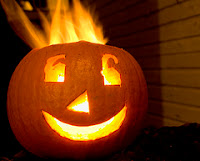
It is safest to use a flashlight or battery-operated candle in a jack-o-lantern. If you use a real candle, use extreme caution. Make sure children are watched at all times when candles are lit. When lighting candles inside jack-o-lanterns, use long, fireplace-style matches or a utility lighter. Be sure to place lit pumpkins well away from anything that can burn and far enough out of way of trick-or-treaters, doorsteps, walkways and yards.

Keep exits clear of decorations, so nothing blocks escape routes.

Tell children to stay away from open flames. Be sure they know how to stop, drop and roll if their clothing catches fire. (Have them practice, stopping immediately, dropping to the ground, covering their face with hands, and rolling over and over to put the flames out.)

Use flashlights as alternatives to candles or torch lights when decorating walkways and yards. They are much safer for trick-or-treaters, whose costumes may brush against the lighting.

If your children are going to Halloween parties at others’ homes, have them look for ways out of the home and plan how they would get out in an emergency.

Happy trick-or-treating!

Sunday, October 2, 2011

Proper Escape Plan Becomes Essential

The fire prevention saying of “Play it safe, Plan your escape” has a lot of meaning for everyone’s daily routine. It’s usually during the month of October that schools and places of work hold yearly fire evacuation drills.

Usually we walk into a building the way we leave, through the main entrance. “No big deal,” most will say, “we do this when entering any building, even our homes.”

What if, and it has happened, this path of travel through the main entrance is blocked because of a fire? What do you do then?

A proper plan of escape now becomes essential. Preplanning maximizes a safe escape and is part of everyone’s daily fire prevention duties.

It only takes a moment to do a quick survey, upon entering a building, and plan an escape. Knowing two exits out of a building requires nothing more than a glance around. You can also try getting in the habit of taking an exit other than the normal entry.

NFPA Public Service Announcement - Escape Plan from NFPA on Vimeo.


A facility may have the maximum occupancy allowed. If something should happen, most people will head for the main entrance automatically. This action could result in injury or loss of life in a fire situation. Everyone should be aware of an alternate exit out.

In our homes we all have a feeling of security that nothing bad will happen. Seventy percent or so of fatal fires in homes occur between 8 p.m. and 8 a.m.. This fact makes it even more important to have a home escape plan. Exit Drills in the Home, otherwise known as E.D.T.H. plan is a good way to begin.

Have a diagram or floor plan of your home showing locations of all doors and windows. Each family member should know two routes out, from every room. Bedroom doors should always be kept close at night to keep fire away if one should start. In a fire situation, check doors by touching the upper part first. If it’s hot do not open in. Exit out another door to the outside or a window. If the home is a multi-story building, open a window and wait for the fire department’s assistance. It’s a good idea to have smoke detectors installed on every level of the home. Test them monthly and change the batteries each year.

If a fire occurs, all family members should leave the home quickly, closing doors behind them to help confine smoke and fire. Do not stop to take possessions along. Report the fire immediately.

No one should ever go back into the house that’s on fire. People die or are injured because fire intensify and can get worse in a matter of seconds. Have a pre-arrange meeting place outside the home.

Your local fire department can answer questions concerning the establishing a fire escape plan.

Learn Not to Burn, Be fire Safe.

Thursday, September 15, 2011

Smoking Leading Cause of Fatal Residential Building Fires


The Federal Emergency Management Agency's (FEMA) U.S. Fire Administration (USFA) recently issued a special report examining the characteristics of civilian fire fatalities in residential buildings. The report, “Civilian Fire Fatalities in Residential Buildings,” was developed by USFA's National Fire Data Center and is based on 2007 to 2009 data from the National Fire Incident Reporting System (NFIRS).

According to the report:

  • Ninety-one percent of all civilian fatalities in residential building fires involve thermal burns and smoke inhalation.
  • Bedrooms (55 percent) are the leading location where civilian fire fatalities occur in residential buildings.
  • Fifty-one percent of civilian fire fatalities in residential buildings occur between the hours of 10 p.m. and 6 a.m. This period also accounts for 49 percent of fatal fires.
  • Seventy percent of fire victims in residential buildings were escaping (36 percent) or sleeping (34 percent) at the time of their deaths.
  • Smoking was the leading cause of fatal residential building fires.
  • Males accounted for 57 percent of civilian fire fatalities in residential buildings; women accounted for 43 percent of the fatalities.
  • Approximately 43 percent of civilian fatalities in residential building fires are between the ages of 40 and 69.
  • Thirteen percent of civilian fire fatalities in residential buildings were less than 10 years old.
Fires that affect our homes are often the most tragic and the most preventable. September, as our Nation marks the ten-year anniversary of 9/11 and the eighth annual observance of National Preparedness Month, FEMA encourages all Americans to prepare for emergencies—including home fire emergencies. “By preparing for a home fire emergency, you can greatly reduce your chances of becoming a fire casualty,” said Deputy U.S. Fire Administrator Glenn Gaines. “Install smoke alarms on every level of your home, test them once a month, change the batteries at least once a year, and make and practice a home fire escape plan.”

SCHEDUAL TIMES:

NICHOLS FIRE DISTRICT MONTHLY MEETING:
First Monday Of Each Month at 7:00 PM

MONTHLY DRILL (Monday): Second Monday Of Each Month at 7:00 PM

MONTHLY DRILL (Sunday): Third Sunday Of Each Month at 10:00 AM

MONTHLY MEETING NIGHT: Third Monday Of Each Month at 7:30 PM